Narrow Mayfair mews? Expert manoeuvres for tight moves
Posted on 18/06/2026
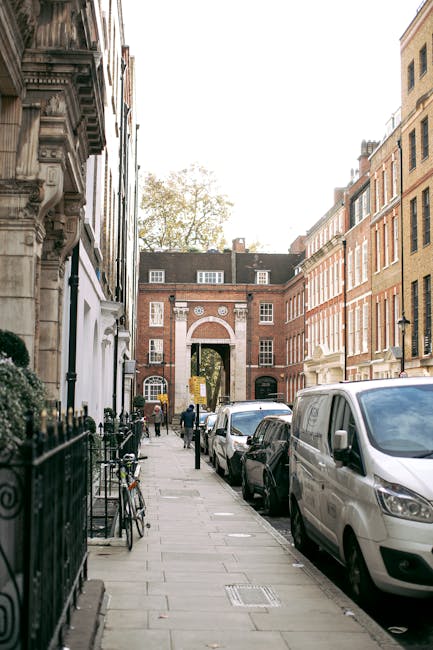
Moving into or out of a narrow Mayfair mews can feel like a game of inches. One wrong angle, one oversized cabinet, one parked car in the wrong place, and the whole job suddenly gets slower than you expected. That is exactly why Narrow Mayfair mews? Expert manoeuvres for tight moves needs more than brute force; it needs planning, patience, and a team that understands how central London actually works on the ground.
In a place where access can be tight, pavements are precious, and stairwells seem to have been designed by someone who disliked wardrobes, the difference between a smooth move and a stressful one is usually preparation. This guide breaks down the smartest methods for confined mews relocations, from vehicle choice and packing discipline to timing, permissions, and handling awkward furniture without drama. If you are moving a flat, house, or studio in the W1K area, the right approach can save time, reduce damage risk, and make the day feel far more manageable.
It is not about making a difficult move magically easy. Let's be honest, that would be nice. It is about making it controlled, efficient, and predictable.
- Why tight mews moves matter in Mayfair
- How expert manoeuvres work in narrow streets
- Benefits of a careful access-led move
- Who this approach is for
- Step-by-step moving guidance
- Practical expert tips
- Mistakes that cause delays
- Tools and recommendations
- Compliance and best practice
- Method comparison
- Real-world example
- Tight-move checklist
- Frequently asked questions
Why Narrow Mayfair mews? Expert manoeuvres for tight moves Matters
Narrow mews streets in Mayfair are beautiful, but they are not forgiving. You may have a limited turning circle, restricted stopping space, shared access, low tolerance for noise, and very little margin for error when loading or unloading. A move that would be routine on a wide residential road can become complicated here in a matter of minutes.
The reason this topic matters is simple: access problems are rarely solved on the day. They are solved beforehand. If you know your sofa needs a narrow-angle carry, or your wardrobe cannot survive a standard lift twist, you can adjust the plan before anyone is standing in the hallway wondering whether to pivot left or right. In our experience, the hardest part is not the lifting. It is the sequencing.
A good moving plan for a mews property should reduce conflict with neighbours, protect the property, and minimise the time the van blocks the street. That is especially important in Mayfair, where the streets feel lived-in and polished at the same time. You can sense when a move has been handled badly: rushed lifting, scratched bannisters, boxes left awkwardly on the pavement, a team trying to improvise with no clear order. No one wants that. Not the client, not the crew, and definitely not the people trying to squeeze past with shopping bags and a dog lead.
If you are comparing support options, it helps to look beyond the vehicle and think about the whole move. Pages like services overview and removal services in Mayfair can give you a better sense of what a properly planned local move should cover. For property-specific moves, flat removals in Mayfair and house removals in Mayfair are also useful reference points.
How Narrow Mayfair mews? Expert manoeuvres for tight moves Works
The process is less dramatic than people imagine, but more exacting. Expert manoeuvres in a tight mews usually rely on five things: pre-assessment, vehicle selection, item breakdown, loading order, and controlled positioning at both ends.
First comes the access check. That might mean reviewing stair width, doorway swing, ceiling height, parking possibilities, and the route from van to front door. Sometimes the real issue is not the staircase. It is the bend at the bottom, or a doorway that opens inward at the worst possible angle. Tiny details, big consequences.
Second, the transport setup is matched to the street. A full-size removal lorry may be unnecessary or awkward. A smaller vehicle can sometimes be the smarter choice, especially in places where turning, reversing, or waiting space is limited. If you are unsure what kind of vehicle suits your move, a suitable removal van or a more flexible man with van setup may be the practical answer.
Third, the furniture itself is prepared for the environment. Large items may be dismantled, wrapped, or carried in a different sequence. A bed frame, for example, often moves far better in parts. A slim sideboard may need to be rotated and carried at a shallow angle. You do not force the route; you adapt the item to the route. That is the whole trick.
Finally, the loading process needs discipline. Heavy items go in first, fragile items are secured, and repeated trips are planned to avoid constant back-and-forth. It sounds obvious, yet this is where tight moves often go off-script. One box in the wrong place can mean three extra trips. Three extra trips can mean more congestion, more fatigue, and more chances for something to wobble.
If the move is urgent, same-day support may be more sensible than trying to patch together a rushed plan alone. You can review options such as same-day removals in Mayfair or the more general man and van Mayfair approach when timing is tight. Truth be told, flexibility is often the difference between done and delayed.
Key Benefits and Practical Advantages
A careful, access-led move in a narrow mews brings benefits that are easy to underestimate until moving day arrives. Here are the main ones.
- Less risk of damage: tighter spaces leave less room for error, so a measured strategy helps protect walls, doors, and furniture edges.
- Faster loading and unloading: clear sequencing reduces double-handling and avoids wasted steps.
- Better neighbour relations: shorter blockages and less noise tend to matter a lot in shared, high-value residential areas.
- Smarter use of labour: the crew spends energy on the actual move, not on improvising around avoidable access issues.
- Lower stress: when everyone knows what happens first, second, and third, the day feels calmer. And calm matters.
There is also a financial upside, although I would frame it carefully. Better planning can reduce time on site and help avoid avoidable extras. For people who like to compare before booking, pricing and quotes and the related guide on transparent pricing for Mayfair removals are worth reading before you commit.
Another advantage is flexibility. A move handled well in a narrow mews can often accommodate awkward furniture, complicated access, or a last-minute timing change without the whole operation collapsing. That kind of resilience is quietly valuable. You only notice it when something unexpected happens - and in London, something unexpected often does happen.
Who This Is For and When It Makes Sense
This style of move is for anyone dealing with constrained access, but it is especially relevant if you are in one of these situations:
- moving into or out of a Mayfair mews house
- relocating from a flat with narrow internal stairs
- handling bulky furniture in a street with limited stopping space
- working to a strict time window for loading or key handover
- moving valuable, delicate, or awkward items that need extra care
It also makes sense if you are handling a smaller relocation where the vehicle size needs to be efficient rather than excessive. A student move, for instance, may not sound challenging, but a tiny staircase and two awkward desks can create more frustration than a larger, better-planned job. That is why pages like student removals in Mayfair and man with a van in Mayfair can be relevant even when the move is not especially large.
For business moves, access can be just as limiting. Computers, filing, meeting tables, and chair stacks all behave badly when a corridor is too narrow or a lift is awkwardly positioned. In those cases, office removals in Mayfair may be the right fit, especially if timing around work hours matters.
And yes, not every narrow move needs a massive plan. Sometimes you simply need a sensible crew, the right van, and a bit of local know-how. Simple, not easy. Those are different things.
Step-by-Step Guidance
If you are preparing for a tight move in a Mayfair mews, this is the practical sequence that usually works best.
- Measure the critical points. Check the widest furniture items, the narrowest doorway, the stair turns, and any overhead hazards such as low lights or shelves.
- Identify access restrictions early. Note any loading limits, residents' rules, or likely parking pressure around the property.
- Sort and reduce before moving day. Fewer items means fewer obstacles. It really is that straightforward.
- Disassemble what you can safely break down. Bed frames, table legs, and modular shelving often become much easier once separated.
- Pack by weight and fragility. Keep heavy items in smaller boxes and protect breakables with proper wrapping and fill.
- Prepare a route inside the property. Move rugs, lamps, plant stands, and small clutter out of the way so the carrying line is clean.
- Stage items close to the exit. This cuts the time spent carrying things through tight rooms repeatedly.
- Load in a planned order. Heavy, sturdy items first; fragile and awkward items secured afterwards.
- Keep communication clear. One person directing the flow is better than three people giving half-remembered suggestions.
- Do a final sweep before leaving. Mews moves often involve concealed spots: behind doors, on window ledges, inside cupboards, and under stairs.
That last check sounds minor, but it catches the things people forget at the end of a long day. Keys, chargers, documents, the kettle lead, the one lamp you meant to keep. The usual suspects.
Expert Tips for Better Results
Here is where the small gains live. The little decisions matter a lot in confined spaces.
Use the smallest practical vehicle, not the biggest available one. A massive van can create more headaches than it solves if the street is difficult to navigate. There is no prize for bringing too much metal to a narrow mews.
Protect corners before you start. Banisters, doorway edges, and wall returns take the brunt of awkward furniture. Basic wrapping and padding can save repair trouble later.
Think in turns, not just distances. A sofa may fit in a corridor but fail at the bend. That is where many moves get caught out.
Keep a "carry lane" clear. Even a narrow line of space can make a huge difference when people are turning or rotating a wardrobe.
Plan for weather. A wet front step, a damp box, or a slippery pavement can turn a neat move into a cautious one. London drizzle has a way of arriving uninvited, as always.
Use specialist help for tricky items. Upright pianos, mirrors, large desks, and heavy cabinets are often best handled with dedicated equipment and experienced handlers. If that is your situation, piano removals in Mayfair and furniture removals in Mayfair are relevant starting points.
One more thing: do not overpack the van simply because you think fewer trips will be "more efficient". Overstacking in a confined move is how things shift, crush, or snag on unloading. Better to be tidy than heroic.

Common Mistakes to Avoid
A lot of difficult mews moves become difficult because of preventable errors. The good news is that most of these are fixable before the van arrives.
- Booking without checking access. Never assume the street will be easy just because the postcode sounds central.
- Ignoring stair geometry. A stairwell can be technically passable and still be a nightmare for long items.
- Leaving packing too late. Half-packed boxes are heavier, weaker, and slower to move. A bad combination.
- Not separating delicate items. Small valuables can disappear into the general chaos if they are not labelled and staged properly.
- Forgetting neighbour impact. In a mews, noise and blocked access are noticed quickly.
- Using the wrong level of service. If the move needs planning, manpower, or special handling, a basic collection may not be enough.
There is also the common mistake of underestimating time. People often think, "It is just a short move." But short moves in tight spaces are rarely short in practice. The distance may be tiny; the effort may not be. That mismatch catches people out.
If you are unsure about the best route or parking pressure near your address, it can help to read practical location-based guidance such as routes and parking near Grosvenor Square or packing and access tips for W1K flats. Different addresses, same principle: access planning first, everything else second.
Tools, Resources and Recommendations
You do not need a van full of fancy gear. But the right basic equipment helps enormously in narrow spaces.
- Furniture blankets and wraps for corners, polished surfaces, and wood finishes
- Webbing straps to hold items steady during transport
- Strong tape and labels so packed boxes stay organised
- Fold-up dollies or sack trucks for safer short-distance moving where space allows
- Basic hand tools for dismantling beds, tables, and shelving
- Gloves and protective footwear for grip and safer handling
For packing support, it is worth looking at packing and boxes in Mayfair. If you only need supplies rather than a full service, package and boxes in Mayfair is also relevant. The key is to use sturdy materials and keep box sizes realistic; oversized boxes are awkward, especially on tight stair turns.
For storage-heavy situations, perhaps where the new mews property is smaller than the old one, temporary holding space can be a sensible bridge. In that case, storage in Mayfair can help remove pressure from the move itself. A bit of breathing room can be surprisingly useful.
If you want to understand the wider service picture before deciding, removal companies in Mayfair and removals in Mayfair are sensible pages to compare. No need to overcomplicate it. Just make sure the provider understands constrained access, not only standard pick-up and drop-off.
Law, Compliance, Standards, or Best Practice
For a move like this, the most relevant considerations are usually practical compliance and safe working practice rather than complicated legal theory. In the UK, moving teams should work with sensible manual handling methods, appropriate vehicle loading, and care for property access. That means planning lifts, avoiding unsafe twisting, and not forcing items through spaces where damage or injury is likely.
In a central London area like Mayfair, it is also wise to think about local access etiquette. That includes not blocking narrow roads longer than necessary, keeping noise down where possible, and making sure any parking or stopping arrangement is handled responsibly. Rules may vary depending on location and timing, so the safest approach is to check access details in advance rather than guessing on the day.
Insurance matters too. A reputable moving service should have appropriate cover in place and explain how items are handled if the unexpected happens. If you are comparing providers, insurance and safety is a useful page to review. You may also want to understand the business basics through about us and the practical boundaries set out in terms and conditions.
Best practice also includes clarity. Clear pricing, clear access notes, clear arrival expectations. That is not paperwork for its own sake; it is what keeps a tight move from turning messy.
Options, Methods, or Comparison Table
Not every move in a narrow mews needs the same setup. The right choice depends on volume, access, furniture size, and timing. Here is a practical comparison.
| Method | Best for | Strengths | Limitations |
|---|---|---|---|
| Man and van | Small to medium moves, flexible access, short notice jobs | Agile, simple, often ideal for tight streets | May be less suitable for very large homes or complex multi-room moves |
| Removal van with full loading support | Larger loads, fragile furniture, more structured moves | More capacity and better organisation | Can be harder to position if the street is extremely tight |
| Partial dismantle and carry | Bulky furniture, awkward turns, narrow staircases | Improves fit through confined routes | Requires time, tools, and careful reassembly later |
| Storage-first move | Downsizing, phased moves, uncertain completion dates | Reduces pressure on moving day | Needs an extra stage and extra planning |
In plain English: choose the method that fits the street, not just the contents. If you are moving something urgent or modest in size, a flexible setup often wins. If the property is large or the furniture is awkward, a more structured approach is usually the safer call.
Case Study or Real-World Example
Here is a realistic example based on the kind of move people often face in Mayfair.
A couple moving from a compact mews house had a sofa, a bed frame, two wardrobes, artwork, and several fragile boxes. The access point was a narrow street with limited stopping room, and the internal staircase had a tight turn midway up. At first glance, the move looked straightforward. It was not.
The solution was to dismantle the wardrobes, remove the bed frame in sections, protect the staircase corners, and stage boxes in a strict loading order. The van was positioned to minimise reversing, and the crew carried items in a planned sequence so they did not block each other in the stairwell. The sofa was rotated on the landing rather than in the room, which saved time and avoided scuffing the wall. Small adjustment, big difference.
What made the move work was not force. It was discipline. The team did not try to rush the hardest item first. They handled the awkward pieces in the right order and kept the path clear. A lot of people would call that common sense. Fair enough. But common sense is often just experience showing up on time.
If the move had been delayed or the new home was not ready, a temporary stopgap using storage in Mayfair would have been a sensible backup. That kind of contingency is worth thinking about before moving day, not after.
Practical Checklist
Use this checklist the day before your move. It is simple, but it catches most avoidable headaches.
- Confirm the exact moving date and time window
- Check stair width, doorway widths, and any awkward corners
- Measure the largest furniture items
- Decide what needs dismantling
- Label fragile boxes clearly
- Set aside essentials for first-night access
- Clear hallways, landings, and entry points
- Protect floors and corners where needed
- Tell neighbours if there may be short-term disruption
- Keep keys, documents, and valuables separate
- Have contact details ready for the moving team
- Make a final sweep of cupboards, loft spaces, and under-bed storage
One extra tip: pack your "need-it-first" box with kettle, charger, toiletries, basic tools, and a change of clothes. On a long moving day, that box will feel like genius.
Get a free quote today and see how much you can save.
Conclusion
Narrow Mayfair mews moves are rarely about one huge challenge. They are about a dozen small ones, all stacked close together. Tight access, careful parking, awkward turns, delicate furniture, and a need to keep the whole thing neat. The good news? Those are all manageable when the plan is built around the property rather than forced onto it.
If you remember just one thing, make it this: the best move in a confined mews is the one that feels unhurried because it was prepared properly. Measure first, pack with intent, choose the right vehicle, and keep the path clear. That combination goes a long way.
And if you are still in the planning stage, do not wait for the pressure to build. A quick conversation now can save a lot of awkward lifting later. Moving should feel like progress, not a puzzle with the pieces missing.
Sometimes the best moves are the quiet ones. Step by step, and done well.